Key Takeaways
- The article explores how social media has become central to brand communication, political messaging, and stakeholder engagement, raising complex ethical and governance questions.
- It highlights the importance of media literacy, transparency, and strategic communication for leaders navigating public opinion and political dynamics online.
- College of Professional Studies positions professionals to understand these intersections through thought leadership and programs in communication, leadership, and ethics.
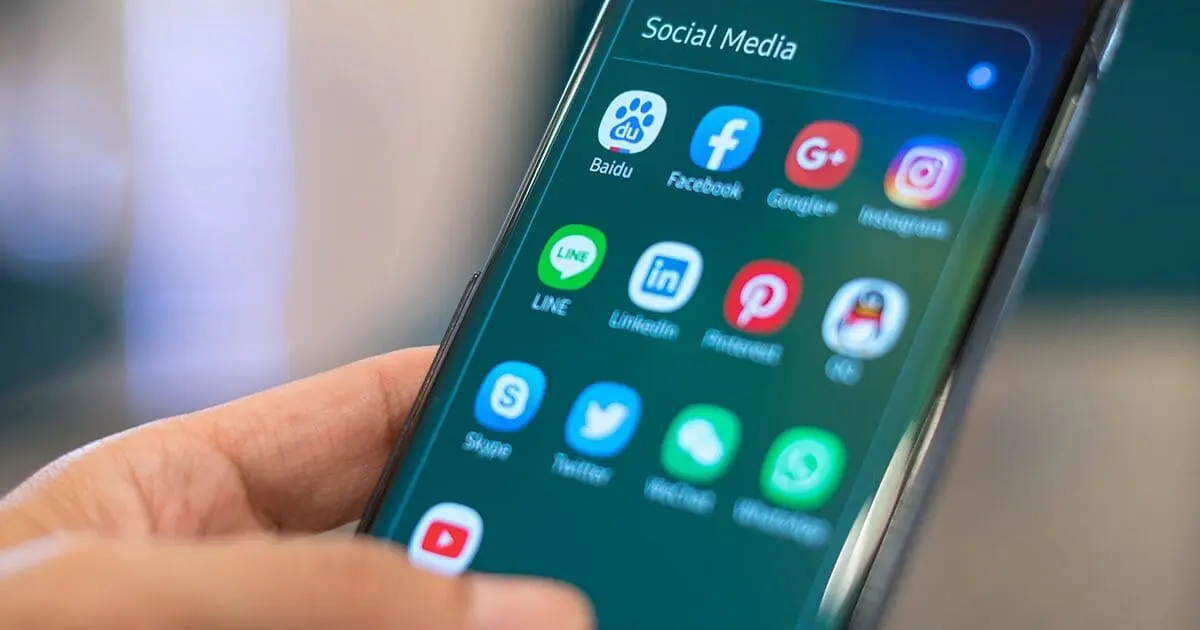
As social media becomes an increasingly prevalent means of distributing information, advertising products and services, and communicating with stakeholders, questions arise regarding the politics and ethics that inform its use.
What are the potential consequences of using social platforms to disseminate political ideologies? How has the use of LinkedIn affected workplace politics and changed professional networking? Does professional success require the use of social media, or can it do more harm than good?
These are just a few of the many questions arise navigating the professional, political, and online worlds. To provide professionals with the skills to successfully inform social media use and decisions, the Global Community Engagement program at University College is offering a Politics and Social Media course.
The Global Community Engagement program focuses on helping people navigate globally connected and culturally diverse environments that are crucial for professional success. The new Politics and Social Media course reflects that mission, teaching students to:
- Distinguish between social media and traditional mass media to identify benefits and drawbacks of each.
- Analyze the ways in which social media enhances or impedes effective workplace communication.
- Evaluate consequences of using social media in the context of politics.
- Describe cultural considerations that facilitate or impede the effective use of social media.
“These skills are critical for anyone who seeks to be culturally informed and keep up with the changing demands of a 21st century workspace,” said Arianna Nowakowski, Global Community Engagement program academic director.
Interested in learning more? Enroll before you apply for a degree or certificate, and start the Politics and Social Media course this September—just in time to follow along and understand the 2020 election.
Frequently Asked Questions
Why is the intersection of business, politics, and social media so important today?
Social platforms now influence elections, reputations, and consumer behavior at global scale. Leaders need to understand how digital messages shape public trust, policy debates, and brand loyalty.
How can professionals use social media ethically while still being effective?
Professionals can focus on transparency, accuracy, and respectful dialogue in their messaging. Combining strong values with data-informed strategy helps organizations build long-term trust instead of short-term clicks.
What skills help leaders succeed in this complex landscape?
Media literacy, crisis communication, stakeholder mapping, and ethical decision-making are crucial. College of Professional Studies programs help learners build these skills so they can navigate public conversations with confidence and purpose.