Key Takeaways
-
Career tools provide transparency into how education connects to real job opportunities and outcomes
-
Access to labor market data helps students make more informed decisions about program selection
-
Understanding career pathways supports long-term planning and aligns education with professional goals
Career-focused learning never stops for the typical worker.
According to ManpowerGroup’s 2023 Workplace Trends Report, 57 percent of all employees are pursuing additional training outside of work. That might include short courses or mean pursuing a master’s degree or certificate in their area of interest.
Because the DU’s University College is designed for working adults, we offer education that’s highly relevant for professionals looking to advance. Our industry-aligned course content teaches the skills needed right now by employers.
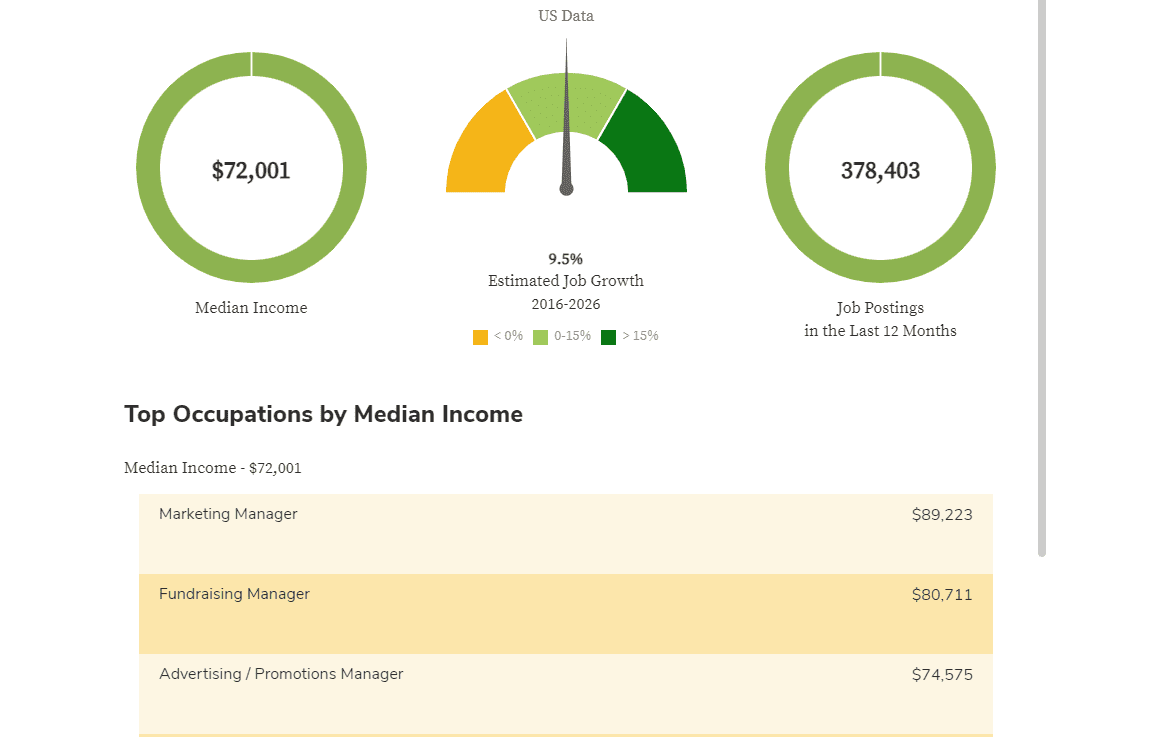
If you’re looking for guidance on how to find the right role for your talents, one valuable resource is the Job Opportunities Tool on the University College website. This tool can give you up-to-the-minute data on which jobs are hot, who’s hiring, and what skills are most in-demand.
Whether you’re exploring a new field or seeking to advance in your current industry, you can find a wealth of helpful information in one place. The Job Opportunities Tool can tell you what job titles in your area of study or expertise are most listed right now. The tool also shows you expected job growth and typical salaries for these occupations, based on the latest data.
The tool can reveal which companies in your area are hiring in your desired field, and how many job postings are active. It can also guide your educational decisions with information on what job skills are in high demand.
Know what employers are looking for before you choose your next move. Our Job Opportunities Tool helps students explore career-relevant skills, in-demand roles, job growth, and salary data.
After you use the Job Opportunities Tool to inform your plans, then you can explore the master’s degrees, certificates, bachelor’s completion, and bootcamps that University College offers in more than 16 subject areas. Each offers career-relevant content, flexible learning formats, and knowledgeable instructors who are working experts in their field. Take control of your career today!
Frequently Asked Questions
What is a career pathways tool and why is it useful?
A career pathways tool helps students explore how different programs align with potential job opportunities and industries. It provides insight into roles, required skills, and possible career trajectories. This makes it easier to choose a program that supports long-term goals.
How can this tool help prospective students make decisions?
It allows students to compare career outcomes and understand what different educational paths can lead to. By seeing real-world connections, they can choose programs more strategically. This reduces uncertainty and improves confidence in their decisions.
Does this tool reflect current job market trends?
Yes, it is typically informed by labor market data and industry insights. This ensures that the information reflects current demand and emerging opportunities. It helps students align their education with relevant career paths.
Who benefits most from using this tool?
Prospective students, career changers, and working professionals can all benefit from it. It is especially useful for those exploring new fields or evaluating return on investment. The tool supports clearer, more informed planning.