Key Takeaways
- Career advising helps you connect what you are studying to where you want to go professionally, so your coursework feels more intentional.
- Regular check-ins can keep you on track with timelines, choices, and next steps, especially when work and life get busy.
- Building a relationship early makes it easier to ask better questions later, like how to position your experience for internships, promotions, or a career pivot.
Looking for resume help, job placement, or general career counseling? Meet Megan Pritchett, the career advisor for University College at the University of Denver. She is available to meet with students one-on-one either in person or virtually by phone or Zoom. Learn more about Megan and how Career and Professional Development Services can help you.
What can students expect during a career counseling appointment?
A career counseling appointment is an informal conversation where we can talk about your professional goals and how to achieve them. I think of career counseling as a space where you can explore what you want in your career while also getting practical help on resumes and cover letters, finding jobs and internships, networking, interviewing, and negotiating. I believe that a fulfilling career is not something that you find— it’s something that you actively create. I’m here as a resource to help you do that, whether you feel clueless or are already deeply engaged with your career.
What are the best resources for job searching?
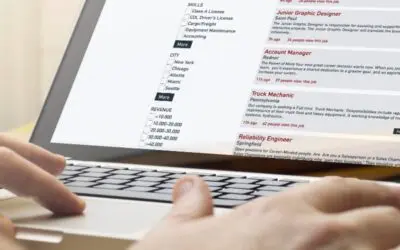
Networking is by far the most effective way to find job opportunities, so it’s worth your time to set up informational interviews and actively let your network know that you are open to new opportunities. An overlooked job searching resource are professional associations, which often have networking opportunities and members-only job boards. Our online job and internship database, Pioneer Careers, is constantly being updated with new opportunities and is the place to register for upcoming career events. Another great job search resource in Colorado is Andrew Hudson’s Job List!
What are the resources that the Career and Professional Development Services offer that students may not know about?
Three underutilized (and free!) online resources that we offer are Pioneer Connect, GoinGlobal, and Big Interview. Pioneer Connect is our alumni database, and it’s a great resource for current students to connect with and learn from DU alums around the world. If you have an important interview coming up and don’t have time for a career advising appointment, Big Interview is a great resource to utilize. You can watch video lessons on interviewing strategies and even practice answering interview questions using their video tools. Lastly, GoinGlobal is a great resource for international students or U.S. students considering working abroad. They have an international job and internship database, H1-B employers, guides on international resume/CV styles, and lots more!
What advice do you have for University College students who are looking for mid-career advancement?
If you’re looking for mid-career advancement, my first recommendation is to continually be networking even if you’re not actively looking for a new job or career. Search for job postings that you would consider to be a “dream job,” even if you’re not qualified for them yet. When you look through these job descriptions, you can get a lot of clarity about what experiences or education you should consider pursuing if that type of role is your end goal. The other advice that I would give is to be ok with changing your plans. We are constantly evolving, and it’s important to remain open to new opportunities and avoid having tunnel-vision on goals that may no longer energize us.
How can students make an appointment?
Students can make an appointment with me by logging into their Pioneer Careers account, then clicking on the Appointments tab. From that page, you can see my appointment availability and sign up for a time that works for you, either 30 or 60 minutes. Appointments can be in-person on the DU campus, over the phone, or using Zoom video conferencing. If you don’t see a time that works for you, email me directly at megan.pritchett@du.edu.
Megan Pritchett received her master’s degree in Career Counseling from California State University, Sacramento, and her bachelor’s degree from Scripps College. When not at work, she enjoys running, hiking, skiing, reading, and nurturing her household plants.
Frequently Asked Questions
What does a career advisor actually help with?
A career advisor can help you get clear on what roles fit your strengths and goals, then map out steps to get there. They can also help you tighten your resume and LinkedIn so your experience reads clearly and confidently.
When should I start meeting with a career advisor?
It’s smart to start early, even if you do not have a perfect plan yet, because early clarity saves time later. Ongoing conversations help you adjust as your interests sharpen and opportunities come up.
Is career advising only for job hunting right before graduation?
Not at all, it’s also useful for exploring options, building confidence, and making better decisions throughout your program. Many students use advising to test career ideas and create a realistic plan before they ever apply anywhere.
What should I bring to a first meeting so it’s productive?
Bring your current resume if you have one, plus a short list of what you like, what you want to change, and what questions you are stuck on. Even a few notes about your goals and constraints helps your advisor give you more targeted guidance.